
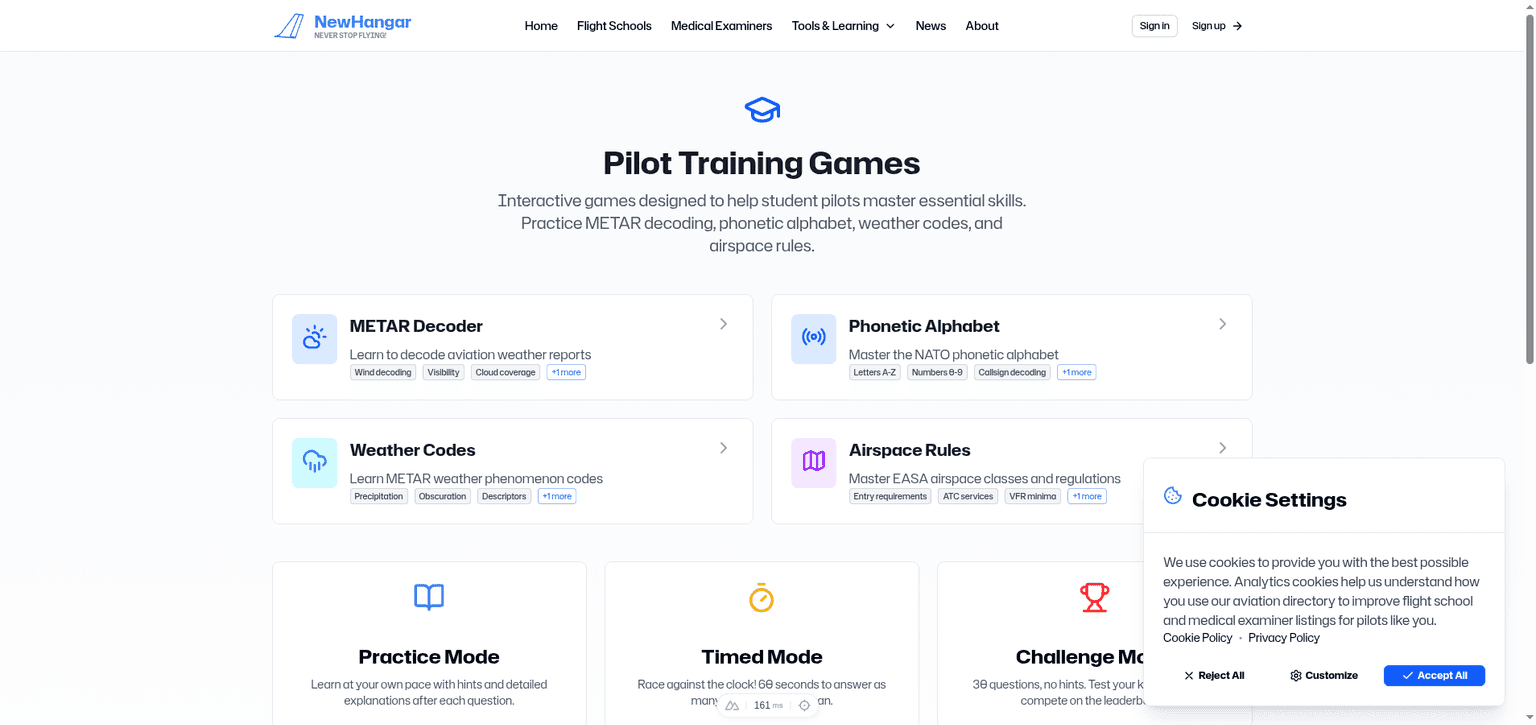
The NATO phonetic alphabet (also called the ICAO spelling alphabet) is the universal standard for aviation radio communications. Whether you are reading back a clearance, reporting your position, or communicating your callsign, using correct phonetics ensures your message is understood clearly.
Why Phonetics Matter in Aviation
Radio communications are often conducted in less-than-ideal conditions:
- Background noise in the cockpit
- Radio static and interference
- Communications with non-native English speakers
- High-workload situations requiring quick, accurate exchanges
The phonetic alphabet eliminates ambiguity. B and D sound similar, but Bravo and Delta are unmistakable.
The NATO Phonetic Alphabet
The standard aviation phonetics are: Alpha, Bravo, Charlie, Delta, Echo, Foxtrot, Golf, Hotel, India, Juliet, Kilo, Lima, Mike, November, Oscar, Papa, Quebec, Romeo, Sierra, Tango, Uniform, Victor, Whiskey, X-ray, Yankee, Zulu
Numbers in Aviation
Numbers also have specific pronunciations:
- 0 - Zero (not oh)
- 3 - Tree (emphasizes the consonant)
- 4 - Fower (clearer than four)
- 5 - Fife (clearer than five)
- 9 - Niner (distinguishes from five)
How Our Trainer Works
Our phonetic alphabet trainer helps you practice in realistic aviation contexts:
- You are given a callsign, registration, or clearance
- Type the correct phonetic spelling
- Get instant feedback
- Build speed and accuracy through repetition
Practice Scenarios
The trainer includes:
- Aircraft registrations - Practice spelling tail numbers
- Callsigns - Airline and general aviation callsigns
- Waypoints - Navigation fix names
- Mixed content - Realistic radio communication snippets
Build Confidence on the Radio
Radio communication anxiety is common among student pilots. Practicing phonetics until they become second nature is one way to build confidence.